

Fabric Substitution: When Do Garment Samples Need to Be Redone?
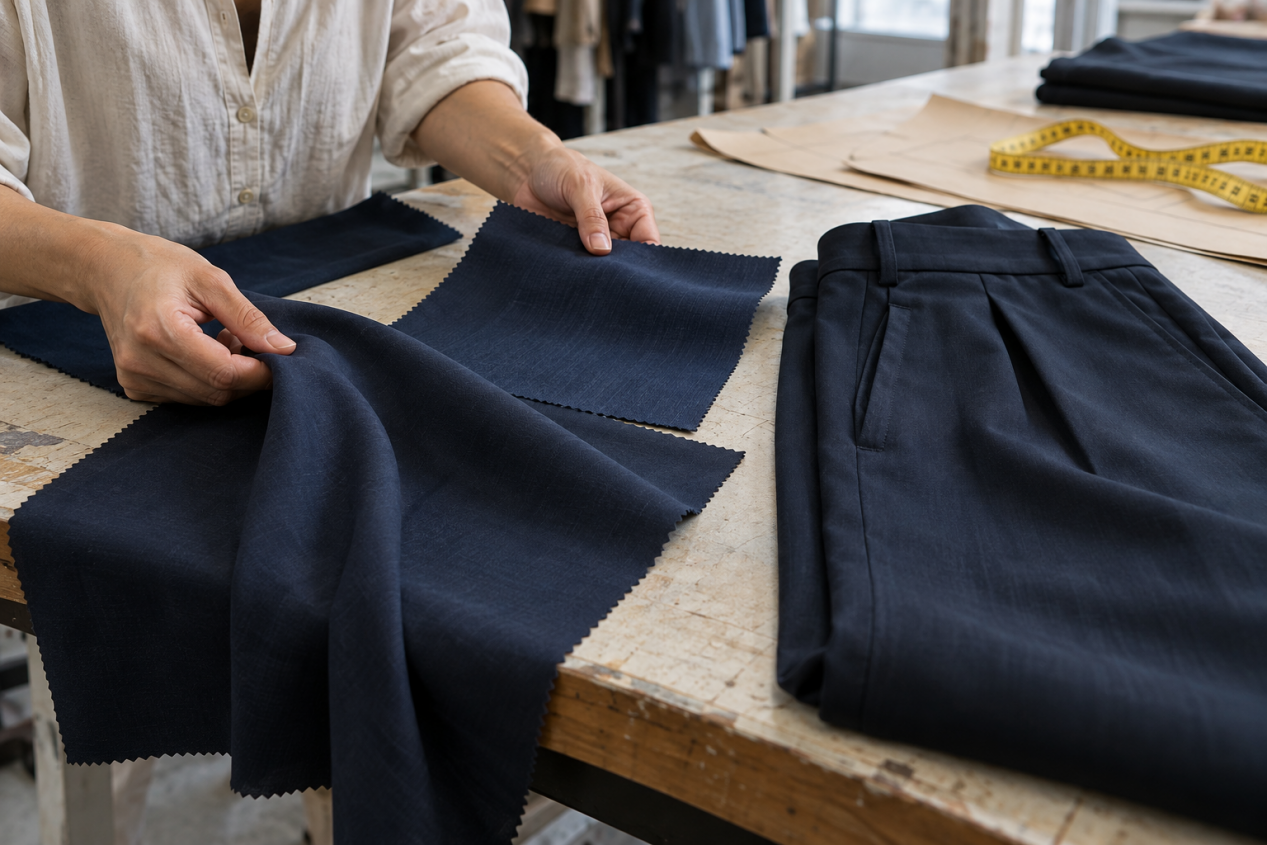
You approved the sample. Everything looks fine. Then the fabric supplier emails you — the original material is gone. Not coming back. But hey, they have something similar. Composition matches. Colour looks close enough.
And your delivery date is getting close.
So. Do you really need to make another sample before the order moves ahead?
Honestly? Not always. A fabric substitution sounds scarier than it is. You only need a new garment sample when the replacement might change the fit, the shape, or how the garment is put together — things your approved sample can’t show you anymore.
Same fabric weight, same stretch, same drape? In most cases you’re fine.
But before you decide anything, ask one question first.
What exactly did the buyer approve that sample for?
Was it approved for the colour? The fit? The overall look? The answer changes everything. If the approval was about fit and construction, then yes, you re-sample with the new fabric. If it was mainly colour and style, a quick strike-off or even photos of the new material might be enough.
What Did You Approve in the First Sample?
Here’s the thing. A fit sample in substitute fabric can be genuinely useful. Pocket position, design proportions, those things translate fine — as long as the substitute behaves like the real thing.
But if the production fabric behaves differently? You’re answering questions nobody asked.
Think about a neckline. You approve the shape on the substitute. Looks great. Then the real fabric is softer, and that same neckline collapses a little at the collarbone. Or a fitted dress sewn in a stretchier substitute — it hugs nicely on the dummy, the buyer loves it, and the final version in actual fabric sits completely different on a real body.
So keep the approval specific. Really specific.
“Pocket position approved; final fabric and fit pending” tells the next team something real. “Sample approved” tells them nothing — and nothing is what they’ll assume.
This matters most at pre-production sample approval. That’s your last clean checkpoint before bulk. If the fabric changed somewhere along the way, stop and review: what does this approved sample still stand for, and what needs checking again? Agree on it in writing, not over a phone call you both half-remember.
One more thing. During garment sample development, keep the material reference attached to every sample version. Buyer and sample room need to be looking at the same fabric when they discuss a revision. Sounds obvious. It’s also the exact thing that goes wrong when you’re rushing three styles at once.
The Same Composition Can Still Produce a Different Garment
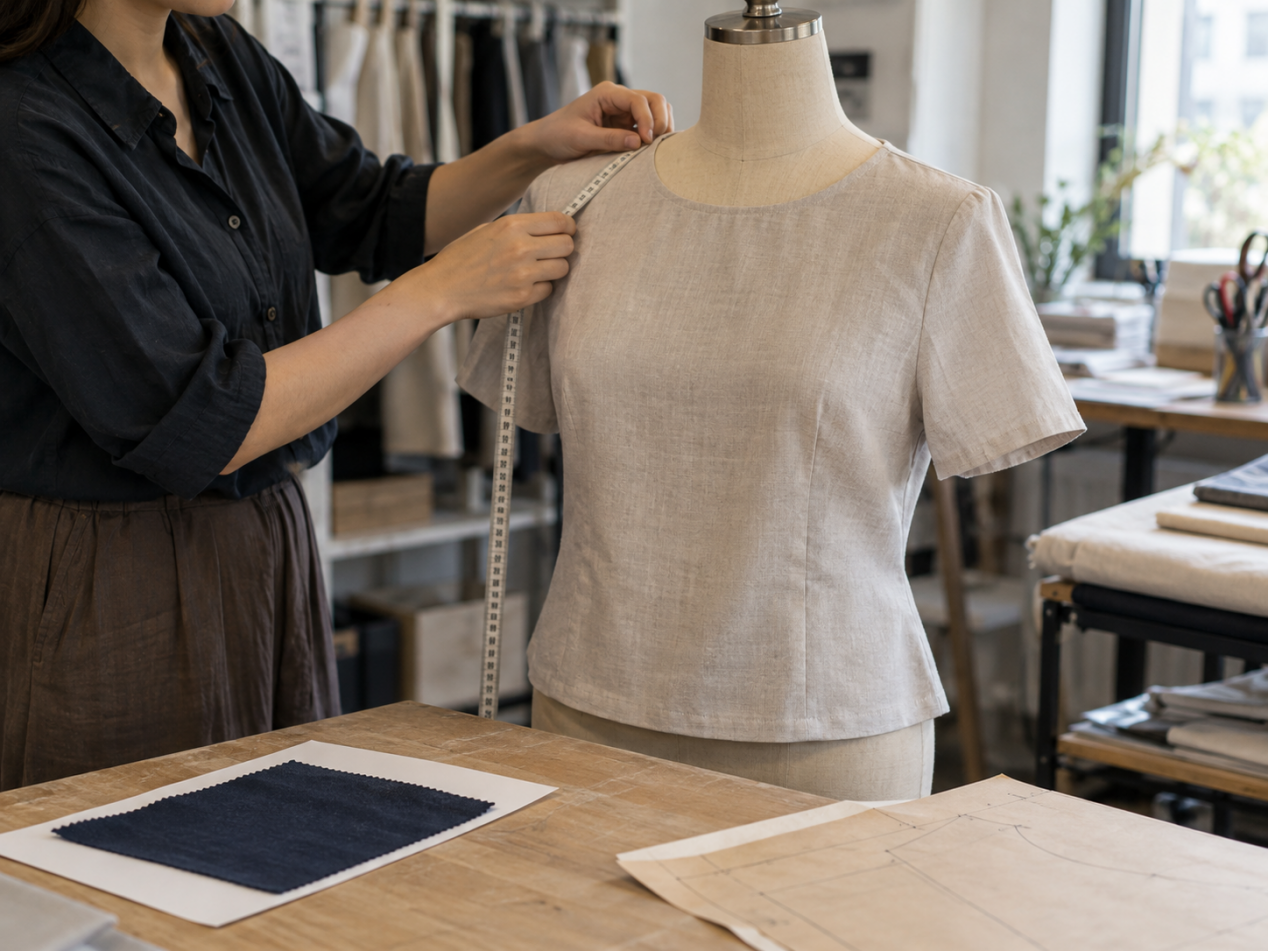
Composition and GSM are useful numbers. They tell you what a fabric is. They won’t tell you how it behaves — and behaviour is what the buyer sees when the garment hangs on the rail.
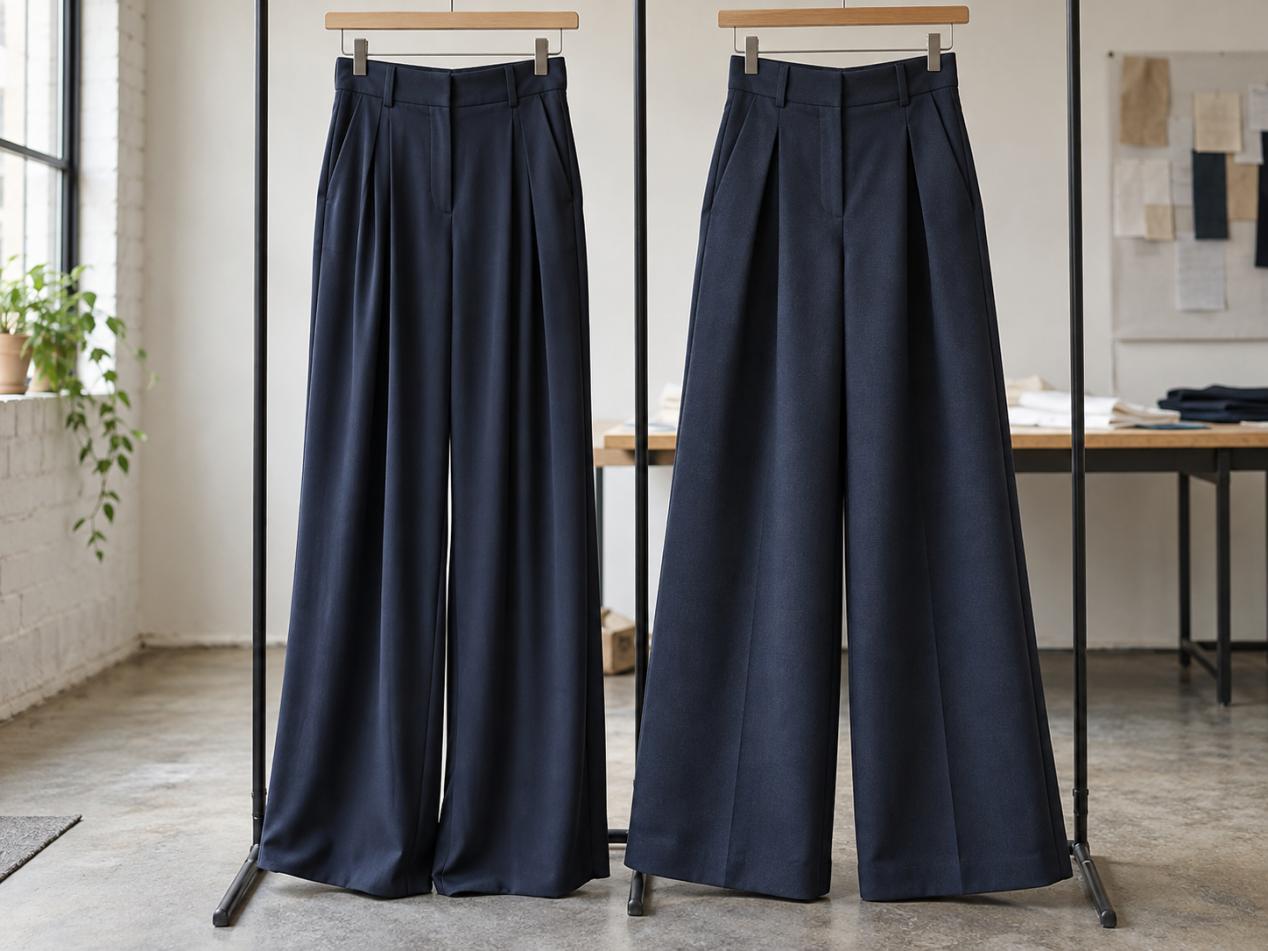
Picture this. You developed wide-leg trousers in a fluid viscose blend, beautiful drape, buyer approved the style off that fabric. Then the original material runs out, and the only replacement fabric available is firmer. It passes the same measurement chart, so on paper nothing changed.
On the body, everything changed. The pleats stand open instead of falling clean. The legs read wider than the approved style. Nobody caught it, because the chart doesn’t ask those questions.
An A-line skirt can go the opposite way. Drop in something softer than the original and the hem falls in towards the body, where the first fabric used to hold the shape out. Same spec sheet. Different silhouette on the hanger.
Stretch deserves the same paranoia, by the way. Matching elastane percentages prove nothing about extension or recovery. Fitted trousers need checking while the wearer sits and bends, not just while they stand in front of a mirror.
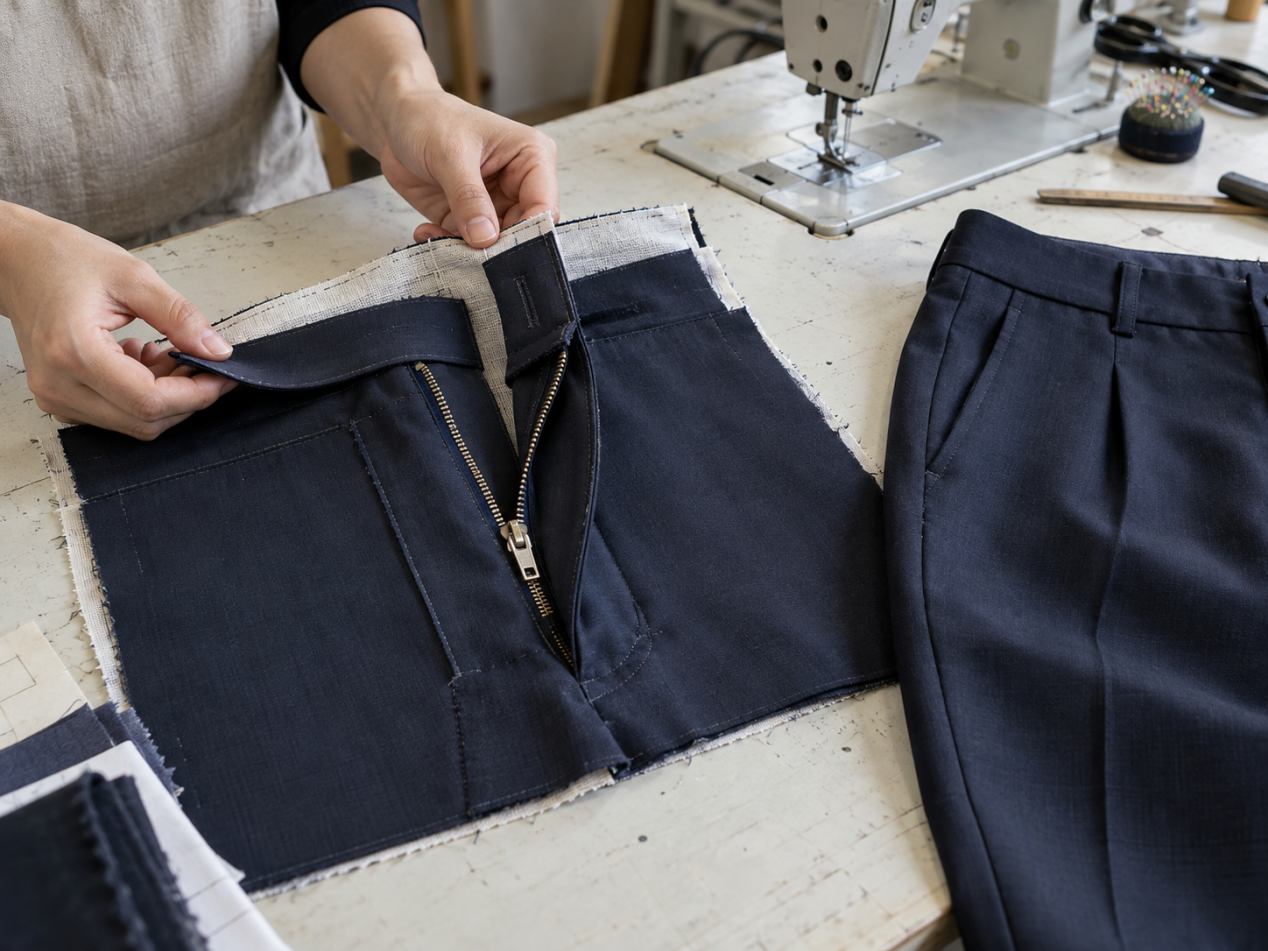
Thickness is where people get caught. A swatch lying flat on the cutting table looks perfectly fine. Then the lining goes in, the interfacing, the seam allowances — and suddenly the waistband turns stiff and the zipper refuses to lie flat.
And satin. Satin needs checking on its own terms. Two fabrics can both carry the name satin and behave nothing alike once they’re sewn, which is exactly why satin skirt seam slippage has to be judged on the proposed material itself, not on whatever came before it.
None of this automatically kills the alternative. What it does is show the buyer which parts of the garment deserve a second look before anyone signs off.
When Is a Complete New Sample Necessary?
Simple rule — if the question is about the whole garment, not one corner of it, you’re remaking the sample.
Drape changed? You can’t judge a new silhouette off a half-panel. A full skirt or a full dress is the only way to see how it balances when it moves. Different stretch in fitted trousers? That means a fitting sample on a real body, and quite possibly a pattern adjustment on top of it.
Care testing pushes you into the same territory. If the test results forced changes to the pattern or the construction, those changes need reviewing in a proper sample. A lab report by itself won’t show you how the corrected garment actually fits.
Now, sometimes you don’t need the full thing. Say the worry is whether a thicker fabric works at the fly opening. Don’t remake the whole trouser for that. Sew up just that opening with the real zipper, the actual interfacing, all the layers it will have in production. Then sew it, turn it, zip it, pull on it.
But be careful here. If the issue only appears when somebody’s wearing the trousers — the fly pulls as soon as the body moves — no flat trial will catch it. That one needs checking on a person.
What about a colour change within the same fabric article? Usually that’s no reason for a full remake. Still, don’t wave it through. Look at the shade properly, check the opacity against what’s underneath, and run whatever performance test matters for that style. Once you’ve done that, you can decide — full garment, or just a coverage and construction check.
Repeat orders with a fresh batch of fabric follow the same logic. Verify the incoming material first. Resample only if the difference actually changes something about the garment.
Check the Alternative Before Cutting Another Sample
Before you burn another sample round, do the boring checks first. Confirm the material can actually support the order.
This is where fabric sourcing for clothing brands trips people up. A supplier having enough fabric for one sample proves nothing about your full colour range and quantities. Ask directly: bulk supply confirmed? Usable width? MOQ? Delivery timing? If any answer is vague, assume the problem is real.
Then look at the properties that matter for the style. Washable garment? Agree the care conditions and run dimensional change on the new fabric — don’t just carry over the old fabric’s test results. That number doesn’t transfer.
Check the shell and lining together where they interact. A lighter colour is sneaky like that: pocket bags or seam allowances that disappeared into the first sample suddenly show through.
Printing, embroidery, pressing — these may need trials too, if the replacement reacts differently. And yes, pull the certification documents for the proposed material while you’re at it.
One more thing people miss. A fabric change after sample approval can move the price even when the new fabric is cheaper per metre. Narrower usable width eats your efficiency. Extra lining. A different cutting layout. Suddenly that saving isn’t a saving.
Get the resampling charge and revised timing agreed before work starts. And build the schedule honestly — material availability, pattern work, testing, sewing, buyer review. All of it.
Then, before bulk clothing production kicks off, update the fabric reference and every affected pattern or construction detail. Keep the approved swatch, the revised sample and the final comments together in one place. Production should have one clear version to follow — not three emails and a guess.
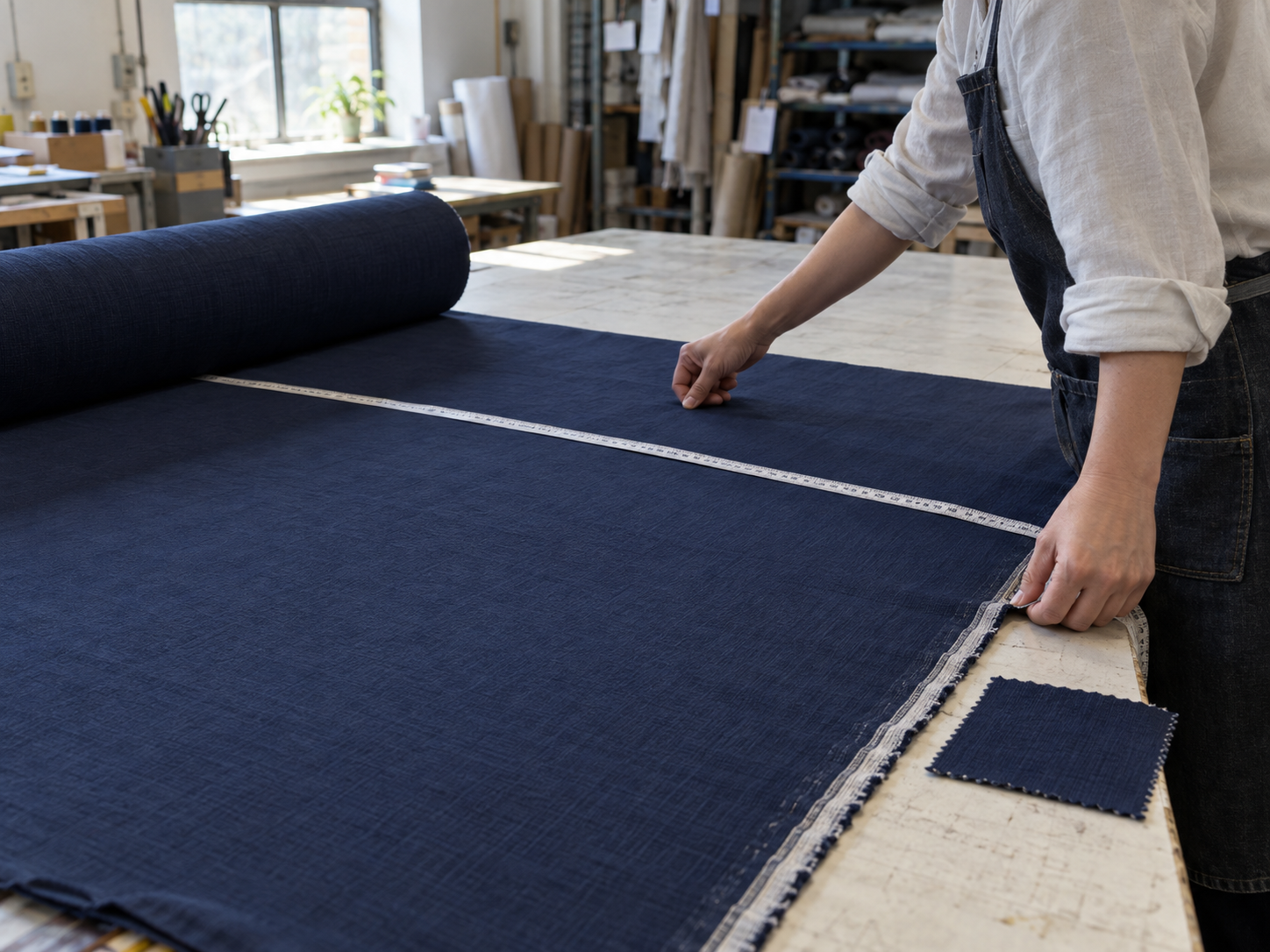
Changing fabric on a womenswear order?
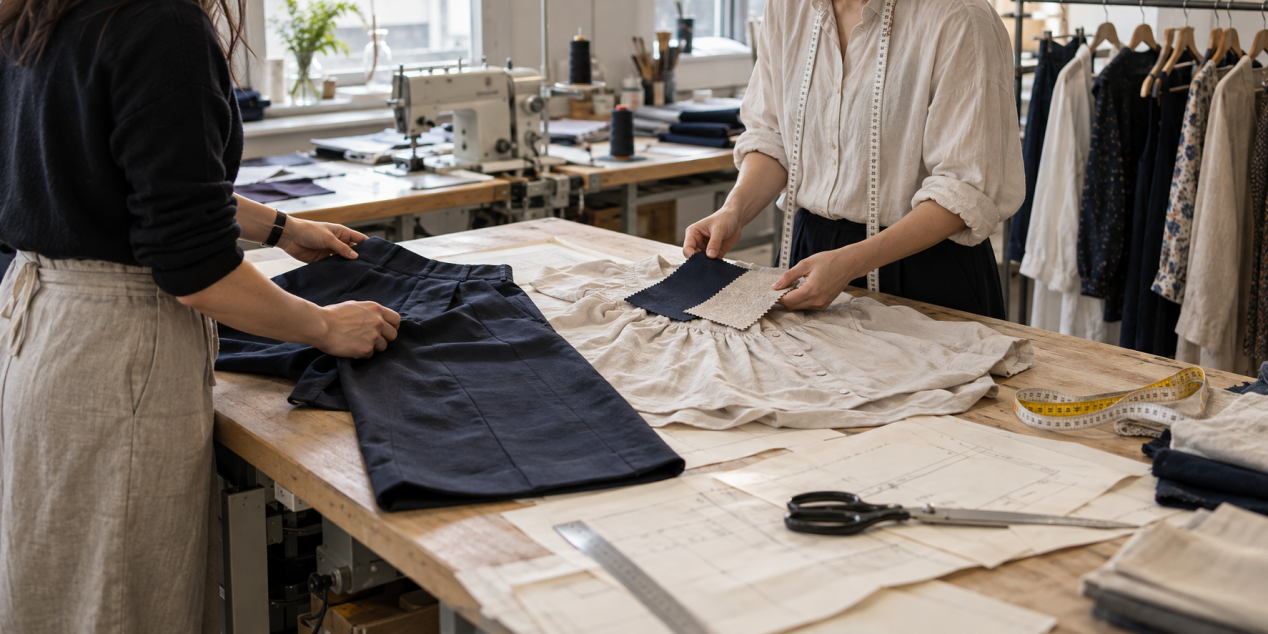
Send Meng Ruolan Apparel your current sample photos along with the original fabric details and the proposed replacement. It speeds things up a lot if you also include the tech pack or style reference, the quantity per style and colour, your size range and the target delivery date. And if there’s a fit or construction concern, mark where it appears and describe what happens during movement or care — MRL Apparel can go through that with you and clarify what the next sample or trial actually needs to show.
Contact Details:
MENG RUOLAN FASHION COMPANY LIMITED
Email:mandy@mrlapparel.com
WhatsApp +86 18825766882
Post time: Oct-23-2026


