

Fast Fashion vs. Slow Fashion: A Complete Guide for Apparel Buyers
Buyers in the apparel industry now have many options to choose from regarding fast fashion and slow fashion. Many buyers will only be looking at the price of an item or how quickly they can receive it and not looking at the bigger picture; which can result in lots of excess inventory or products that are behind on the latest trends.
The way to get the most benefit from both purchasing methods (fast fashion, slow fashion) is to understand how each works. This article will help describe fast and slow fashion in the most direct way possible; not only will this help you avoid the common pitfalls when purchasing products for your business but it will also ensure you are purchasing products that support environmentally sustainable apparel that can be used for long-term planning purposes.
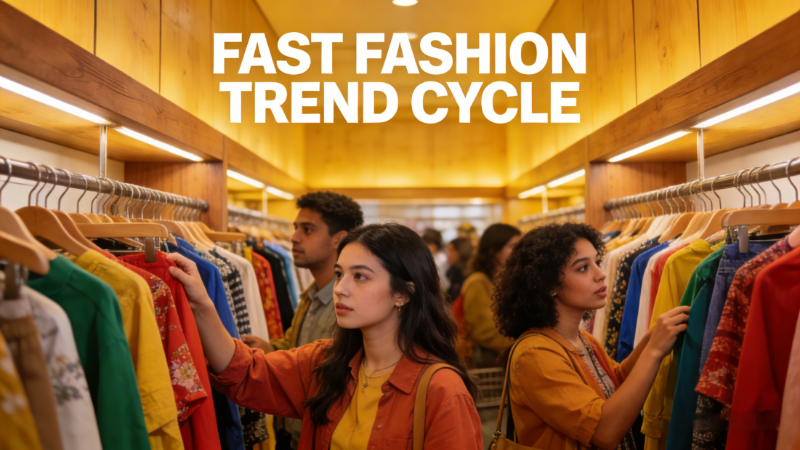
1. First, understand: What exactly is fast fashion?
The essential aspect of this system is speed (that is,, to keep up with the runway trends), speed in designing, speed in making a product, and using low prices to get market share quickly. For example, many chain brands have new styles every week, and many of them have basic T-shirts that sell for anywhere between 20 yuan to 50 yuan. The majority of consumers who purchase from these brands are price and trend-conscious.
The fast fashion model obscures significant risks. Based on statistics, the world wide fashion industry produces 92 million tons of textile waste each year, and sixty percent of that comes from fast fashion products. Fast fashion may not be environmentally friendly or in accordance with the goals of sustainable clothing development since it is only worn on average seven times and usually discarded after one season.
For apparel buyers, the benefits of “fast” fashion include: rapid supply at a cheap price and quick adaptation to current trends. Conversely, the downsides are also immediate; the products are generally of low quality, can become out of style very quickly, and may create an inventory backlog. Further, many of the suppliers of fast fashion do not consider the ethical aspects of purchasing apparel, resulting in potential problems of improper employment practices and environmental pollution, creating future brand risk.
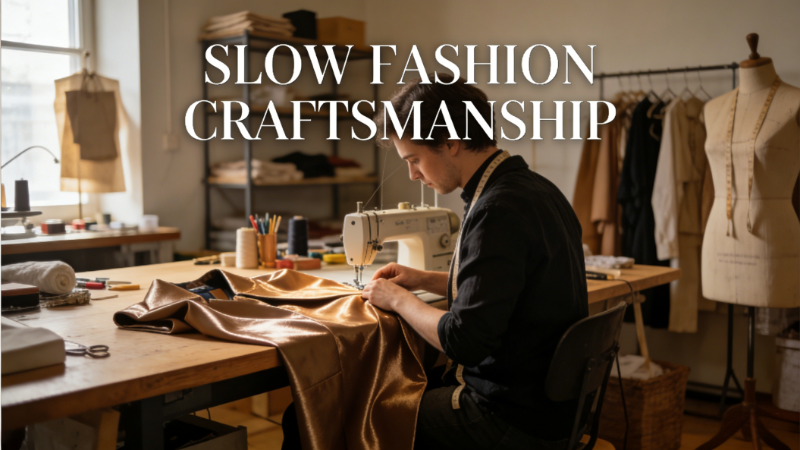
II. Avoiding Pitfalls: Slow Fashion is Worth Buyers’ Focus
It can be said that slow fashion is completely opposite from quick fashions; quality versus quantity, as well. In slow fashion the styles will be more timeless with good fabrics which will take longer to produce but will be produced in smaller quantity and have a longer life span. A good coat can last 3 to 5 years if produced by a slow fashion company. The price of a slow fashion item will cost more to purchase but in the long run, money spent on quality from slow fashion items will bring greater value to the consumer.
Currently, the trend in the fashion industry is to be environmentally-friendly, and customers are being friendlier towards nature. More specifically, market research reveals three key statistics of consumer purchase behaviour in the apparel industry. 67% of customers are giving the highest importance to purchasing sustainable or earth-friendly products. Brick and Mortar retailers are also reporting that the repurchase rates of slow-fashion products are over 30% greater than that of fast fashion.
From a purchaser’s point of view, the benefits of slow fashion include consistent product quality and high product repurchase rates and the ability to create a brand image for their brand. Most of the vendors of slow fashion, they are focused on sustainable manufacturing of clothing and also have ethical sourcing criteria, therefore, reducing many of supply chain risks. The only negative aspect is that the manufacturing cycle is lengthy, i.e, in advance or upfront planning and inventory stocking is essential.
III. Key Comparison: Fast Fashion vs. Slow Fashion, How Should Buyers Choose?
Buyers often look confused about whether to go for fast or slow fashion. In reality, you can choose to go for both types of brands, whatever work best for your business model. However, we’ve included a comparison table below to help you work this through:
| Comparison Item | Fast Fashion | Slow Fashion |
| Production Cycle | 7-15 days, mass production | 30-60 days, small-batch production |
| Garment Quality | Basic quality, short service life (3-6 months) | High quality, long service life (2-5 years) |
| Unit Price | $5-$20 per piece | $20-$80 per piece |
| Environmental Impact | High pollution, high waste, not eco-friendly | Low pollution, low waste, focus on sustainable materials |
| Ethical Standards | Often unregulated, poor working conditions | Strict ethical standards, fair wages and safe working conditions |
| Inventory Risk | High risk, easy to overstock (outdated quickly) | Low risk, classic style, not easy to overstock |
IV. Buyers Must Read: 3 Core Suggestions for Procurement
Recommendation 1: Prioritize suppliers who prioritize ethical clothing procurement.
As regulations worldwide become more strict regarding the clothing supply chain, any supplier who engages in improper employment practices or causes pollution could damage a brand’s image and create liability. It is essential for apparel brands to ensure, when they source products, that the suppliers have clearly stated manufacturing qualifications, do they have environmental certifications, if they are registered with their employees, and do they adhere to fair and ethical standards when selling their products (procurement).
The Meng Ruolan Garment Factory adheres strictly to ethical standards of procurement, to create a compliant workplace, protect the legal rights of workers, and implement environmental protection measures during manufacturing. The Meng Ruolan Factory has become the garment supplier of choice for multiple buyers who have entered into long-term relationships by having reduced supply chain risk at the source.
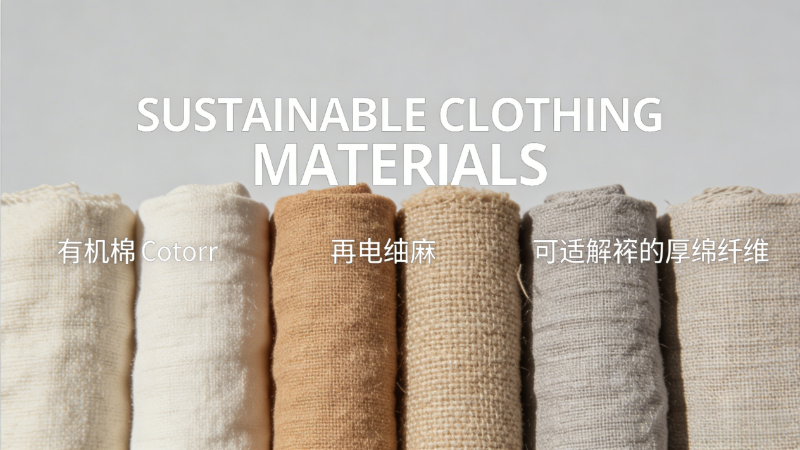
Recommendation 2: Follow the trend of eco-friendly fashion and develop sustainable clothing products.
Eco friendly fashion is a necessity of the times and the only way forward. As per industry sources, the sustainable clothing market will be expanding at 15% growth rate annually for the coming three years. The most famous fabrics are the ones of 100% recycled and biodegradable.
The popularly held notion that new clothes are made by sewing fabric, thread and other customer-supplied materials together.
The actual procedure for making an item of clothing is cutting fabric or thread to an individual’s exact measurement, sewing that fabric together to form an item of clothing, then attaching a purchased tag.
Many custom garment manufacturing companies buy and sell slow and/or sustainable fashion styles as custom orders; most of these companies do not sell finished products to retail or direct sales clients.
Example: Meng Ruolan Garment Factory manufactures sustainable fashion products; producing custom made clothing from recycled cotton and biodegradable fabric materials; creating sustainable fashion products that support both ecological / environmental fashion trends and the purchasing needs of different customers.
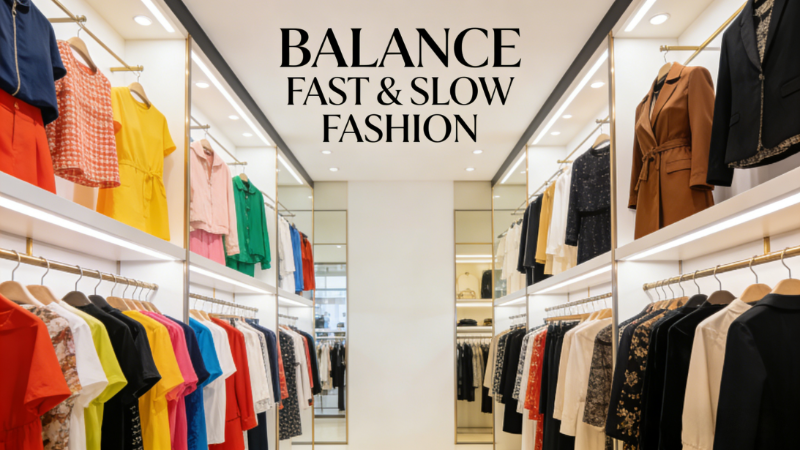
Recommendation 3: Balance fast fashion and slow fashion, and control inventory risk.
Inexperienced buyers tend to make one of two mistakes, fast production or slow production, the result of both is stock overage, if you choose fast it will stock up too much, if you choose slow it will be tight on cash flow. The ideal solution to integrate the two styles of clothing is a ‘1+1’ mix, one piece in the fast fashion (Trendy, cheap products) Attract customers quickly, and sell large quantities in a short period of time, and one in the slow fashion (Classic, quality products). To get more money in the long run.
It is important to manage the batch size of your orders when purchasing goods and also when deciding to Order fast fashion items, you need to limit the number of items you buy in one order so that you do not end up with old stock. With slower fashion items, you should place your order between two and three months ahead of time to give us adequate time to produce those items. If you ever have any questions about purchasing and/or styling your merchandise, contact Meng Ruolan Garment Factory and one of our professional purchasing consultants will be able to assist you in purchasing the correct quantity of merchandise and we will also provide you with advice on the correct style of merchandise to purchase based on your business size and the market needs that you are trying to fill.
V. Why Choose Mengruolan Garment Factory? Solving Your Procurement Pain Points
Regardless of whether you are aiming for fast fashion or slow fashion, or a combination of both (fast/slow), we will help you reach all of your objectives by solving all of your pain points associated with the procurement process and increasing your conversion rate.
1. Serving fast fashion and slow fashion customers. Fast fashion items can be made in mass quantities and shipped in 7-15 days. Small batches of slow fashion and quality sustainable apparel can be customized, with production on-demand and delivered in 20-40 days to fit your purchase orders.
2. Adhering to the correct ethical standards for fashion sourcing, workshops with proper certifications, industry standard labor practices, environmentally friendly production methods, and third-party documentation for certification will reduce your exposure to supply chain risk and help conform to “green” fashion trends.
3. Quality with Cost-Efficiency: High-cost performance combined with quality guarantee. Our products come from the factory directly, thus customers will not pay the extra middlemen markups. We have fast fashion styles that go at as low as 15RMB. The sustainable, slow fashion styles have exceptional quality. If you do not like any of the items that you order from us, we can send you a sample or make changes to your order.
4. Personalised interaction with our expert purchasing consultant. Regardless of whether you are new to purchasing, an experienced purchaser, or needing help in making a single purchasing transaction, our consultants will provide assistance in helping you incorporate both Fast Fashion and Slow Fashion into your market positioning and budget; this will allow you to efficiently manage your inventory, resulting in increased profits.
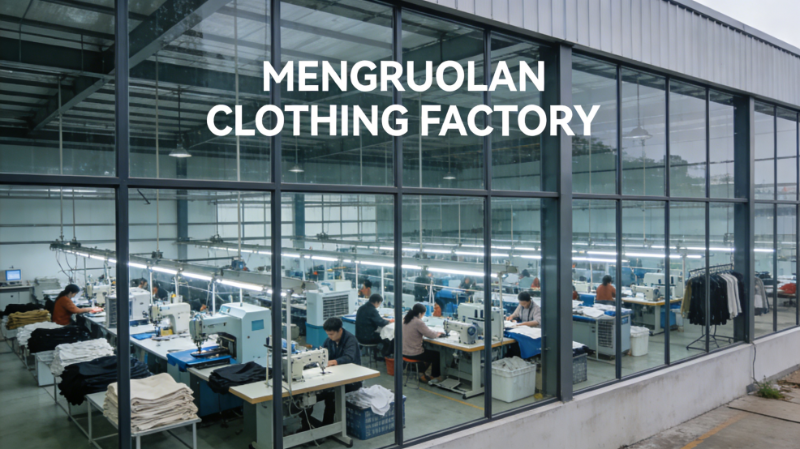
VI. Contact us now to unlock your customized procurement solution.
Knowing the distinction between quick fashion with slow fashion and also picking the proper organizations that supply is very important to be effective in sourcing clothing or any other related products. Therefore, individuals or companies searching for reputable clothing producers and/or developing sustaitable clothing while maintaining ethical standards of purchasing and being ready for environmentally friendly fashion should seek out Meng Ruolan Apparel Factory as an option.
Our years in the garment manufacturing business have made us experts with the efficiency of fast fashion and sustainability of slow fashion. we provide one-stop solutions that include Customizing, Manufacturing,and Customizing Samples. Our customizations are 100% transparent and are on-demand so that you can lower your procurement costs while reducing risks and increasing conversion rate.
Contact us now to receive free fast and slow fashion styling options, as well as samples to evaluate quality prior to working together, simplifying your sourcing process and easing your concerns!

Contact Details:
Dongguan Meng Ruolan Clothing Factory
WhatsApp +86 18825766882
Post time: Jun-22-2026


