

How’s AI changing the way clothes are designed and made? Here’s a simple guide for clothing suppliers.
With the apparel industry being more competitive today than ever, companies who are able to produce designs at a faster rate, for lower costs, and with greater consistency in terms of generally producing high-quality goods will be able to win the most orders. Artificial Intelligence is no longer just a concept of the future, but has become a very real thing in Design Spaces and Production Lines. It is important, regardless of whether your business is an Export Wholesale Model, Brand OEM Model or a Small Batch Rapid Response Model, that you have an understanding of how Artificial Intelligence is changing the Apparel Business to help you capitalize on Future Market Opportunities. This article uses real data and easy-to-understand explanations to show you exactly how AI is changing apparel design and production, and helps you find the right upgrade path for your factory.
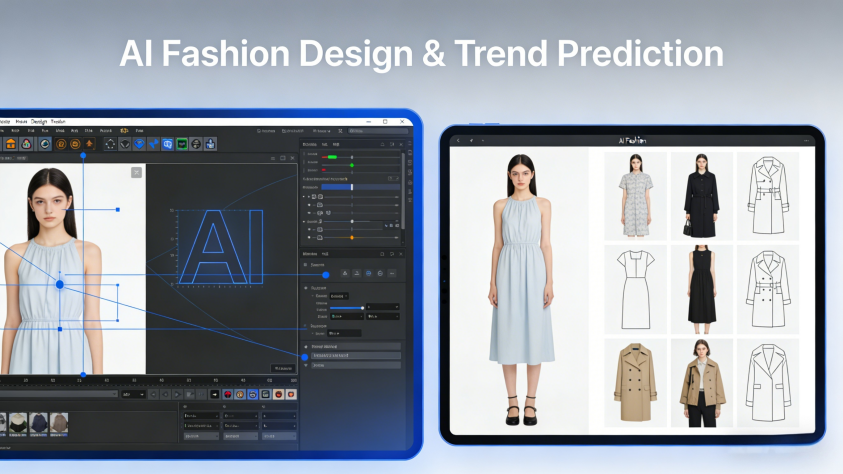
I.Artificial intelligence fashion design enables fast and accurate style development.
Historically, designers relied on their experience and on their intuition about the market when they made fashion designs. Garments often took many iterations between the original concept and the final product, taking a very long time with high costs of trial-and-error. AI has dramatically changed the way we design clothing today.
Artificial intelligence, the ability of machines to analyze trending elements, color combinations, and pattern data throughout the internet, will determine what items will be most popular next season. Artificial intelligence can create style images and/or pattern designs, make adjustments to the patterns themselves, and select appropriate fabric products to minimize duplicates of work done previously. In addition, suppliers can benefit in the following ways: faster sample creation, fewer design changes, and lower risk of unsold inventory.
A multitude of our partner factories have reported the use of artificial intelligence (AI) as a design assist has greatly increased their overall development efficiency. Our factory, Mengruolan Garment Factory, has already incorporated artificial intelligence in the design of our daily developments and gives our customers the opportunity to rapidly create, and make modifications to our designs. This facilitates the quick pace of business in international fast-fashion orders.
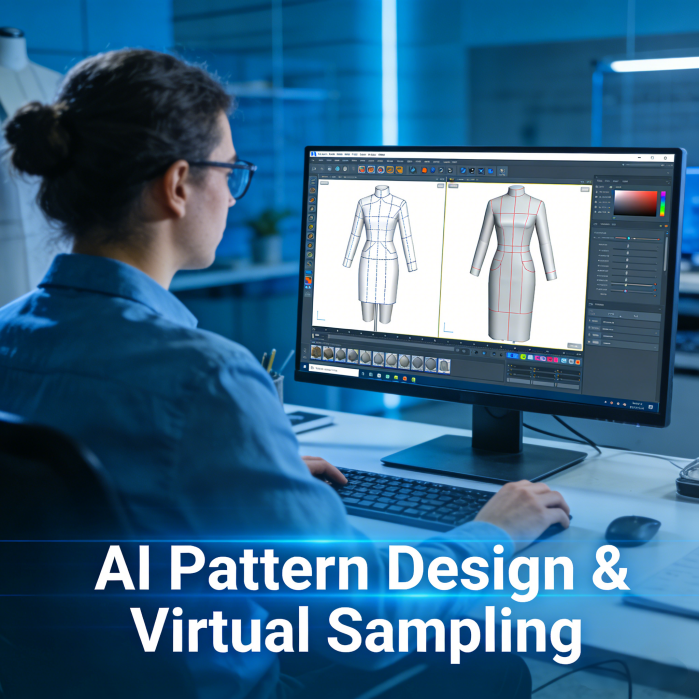
II.Garment automation makes production more stable and costs more controllable.
After the finalisation of the design, garment automation plays a major role in increasing manufacture capacity. This can be done by introducing modular machines to automate the production of garments. Previously, automation was only available to large factories, but now automation can be implemented in smaller and medium scale garment factories using modular machines.
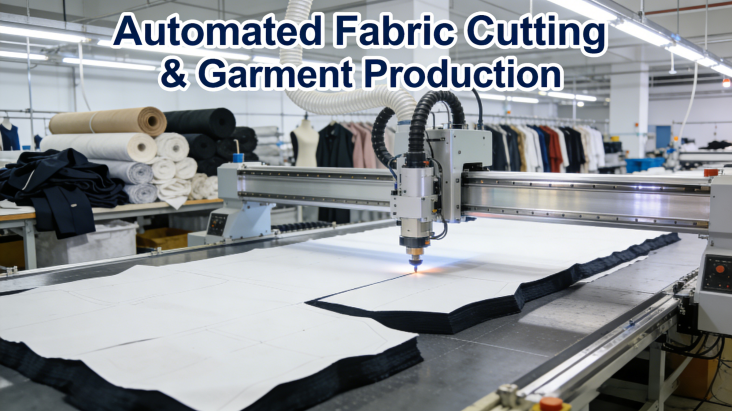
From fabric automation such as laying and cutting, through to intelligent hanging machines and automated inspection and testing of the end product all reduce the amount of manual labor in this process. Today the industry is experiencing high labor turnover rates and a shortage of new workers. Automation can help eliminate some of the major challenges of this industry including inconsistent product quality and on-time delivery. With the use of automated processes, much of the fabric scrap produced during the cutting phase can be reduced, providing a long-term cost savings benefit to your company.
For clothing producers, Automation can be employed to improve efficiencies, stabilise quality and reduce delivery times. By using a mature automated cutting and sewing production line, Meng Ruolan Apparel Factory is able to ship large quantities of goods with stable output and workmanship.
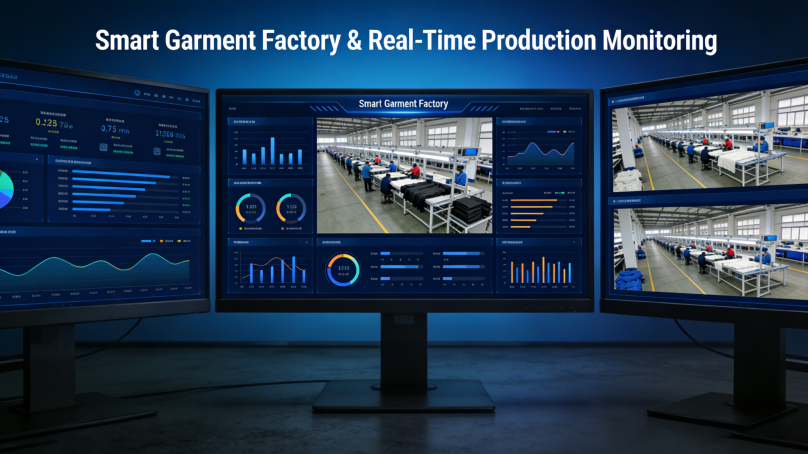
III.Upgrading of garment manufacturing technology: From traditional workshops to smart factories
In the last few years, the clothing manufacturing industry has seen rapid development in its technology and has made it very difficult for manufacturers to make money from using a ‘labour-intensive’ model. Intelligent Hanging Systems, IoT-based Production Monitoring, Digital Pattern Making, and AI Fabric Inspection Systems have radically improved the speed and transparency of the overall manufacturing process.
Managers have the ability to monitor the real time progress of their line, equipment and defect rates as well as make changes to their orders, the way they have scheduled them and the processes they have in place. The workers can finally get a handle on their work schedules through accurate data analysis. With accurate data comes the opportunity for anyone to know how much they are making and the type of quality product they will produce.
Here’s a look at real industry data. It shows clearly how traditional manufacturing differs from intelligent manufacturing.
| Indicator | Traditional Manufacturing | Smart AI Manufacturing | Improvement |
| Daily output per line | 350–500 pcs | 700–1000 pcs | +85% |
| Fabric waste rate | 12%–18% | 4%–8% | -60% |
| Sample development time | 15–25 days | 5–8 days | -70% |
| Product defect rate | 8%–12% | 1%–3% | -75% |
If you look at it, the technological advancements that have been made in the manufacture of clothing, have helped greatly improve production capacity, and decrease waste and increase efficiency, all at the same time. Additionally, if you want to increase your production capacity without increasing a large number of workers, please contact Meng Ruolan Garment Factory; We are able to offer you full intelligent manufacturing OEM solutions.
IV.Fashion and technology trends require apparel suppliers to plan ahead.
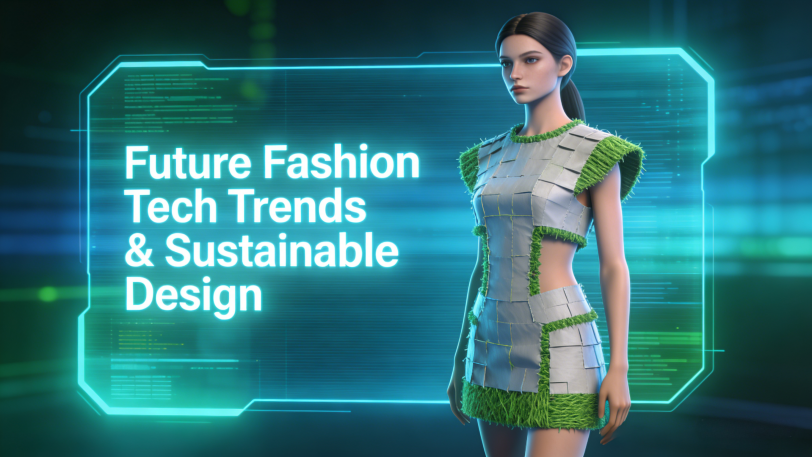
To have a long-term position in the apparel industry is not enough to focus on the manufacturing of the apparel industry; but the apparel business model must become increasingly aware of the fashion trends and technological trends within the apparel industry. In the next few years, the apparel industry will see far-reaching growth in several areas which include AI-based personalized customization of products, virtual sampling, sustainable manufacturing, and digitalizing of supply chains.
Because customers are demanding more personalized products, there has been an increase in the number of products made in small batches, on short timelines, and with custom designs. Virtual sampling can help reduce many of the costs that are associated with creating a physical sample. Overseas brands emphasize sustainable manufacturing. To earn high-value orders and not get into price wars, it is important to remain up to date with fashion and technology trends.
For apparel manufacturers in the small and medium-size categories, the complete renovation of their facility does not have to occur. They may start with the inexpensive aspects of Artificial Intelligence, such as creation of designs through AI and the use of Automated Cutting; this allows the manufacturers to incrementally intelligently upgrade their operations.
V.Practical Advice for Apparel Suppliers
1. Begin with the design stage and shorten the entire design-to-sample cycle by utilizing AI-based fashion design software.
2. Prioritize modernizing how we cut and inspect to make clothes harmless; eventually increasing clothing automation to decrease debris.
3. Use the latest in clothing manufacturing equipment to increase efficiency on the assembly line while also providing better oversight.
4. Continue to stay updated on apparel technology trends and create very flexible small quantity rapid reaction production capabilities.
5. Pick dependable partner plants to avoid bad technological investments and get good investment returns quickly.
AI is not designed to take over the jobs of designers and workers but instead will help every person to get the job done faster and easier. Manufacturers that start using this technology will have a larger advantage in creating efficiencies during the reshuffling process within the manufacturing industry.
Conclusion
Artificial intelligence has revolutionized how clothing is designed and made through an entirely new process of design through AI based technologies that enhance R&D productivity, through automation to provide more consistent production abilities and improved quality, through implementing new manufacturing methods that provide lowered costs and, through continually keeping up with both current fashion and technology trends for maintaining a long term competitive advantage.
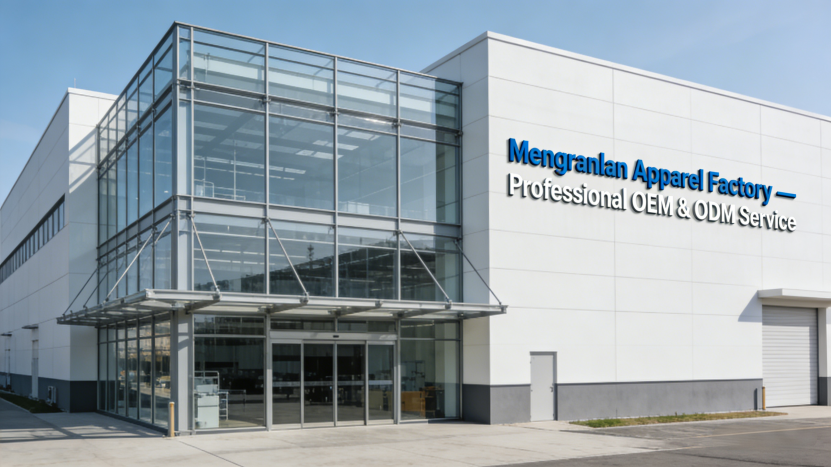
If you want to find a smart manufacturing company that offers professional and efficient service, Mengruolan Apparel is your best choice! We offer full-service OEM/ODM (original equipment manufacturer/original design manufacturer) services that include everything from style design to creating samples and then producing them in bulk, so you can be confident that your order will be produced quickly with control over the quality of production throughout the entire process. Mengruolan Apparel can provide export brands, branded merchandise, and wholesale cross-border business solutions.
Please feel free to get in touch with Mengruolan Apparel Factory anytime to capitalize on intelligent technology to achieve success within the fashion business and capture additional market opportunities.
Contact Details:
Dongguan Meng Ruolan Clothing Factory
WhatsApp +86 18825766882
Post time: Apr-30-2026


