

Satin Skirt Seam Slippage: What the Sample Should Show
A satin skirt can look ready for approval when it comes off the pressing table. The side seam lies flat, the stitches look even, and nothing seems out of place. Then the sample is fitted, and a narrow gap begins to appear beside the stitching at the hip.
The thread has not broken. The fabric yarns have moved away from the seam. That is the issue behind seam slippage in satin skirts, and it is easier to address while the skirt is still a sample than after its construction has been approved for production.
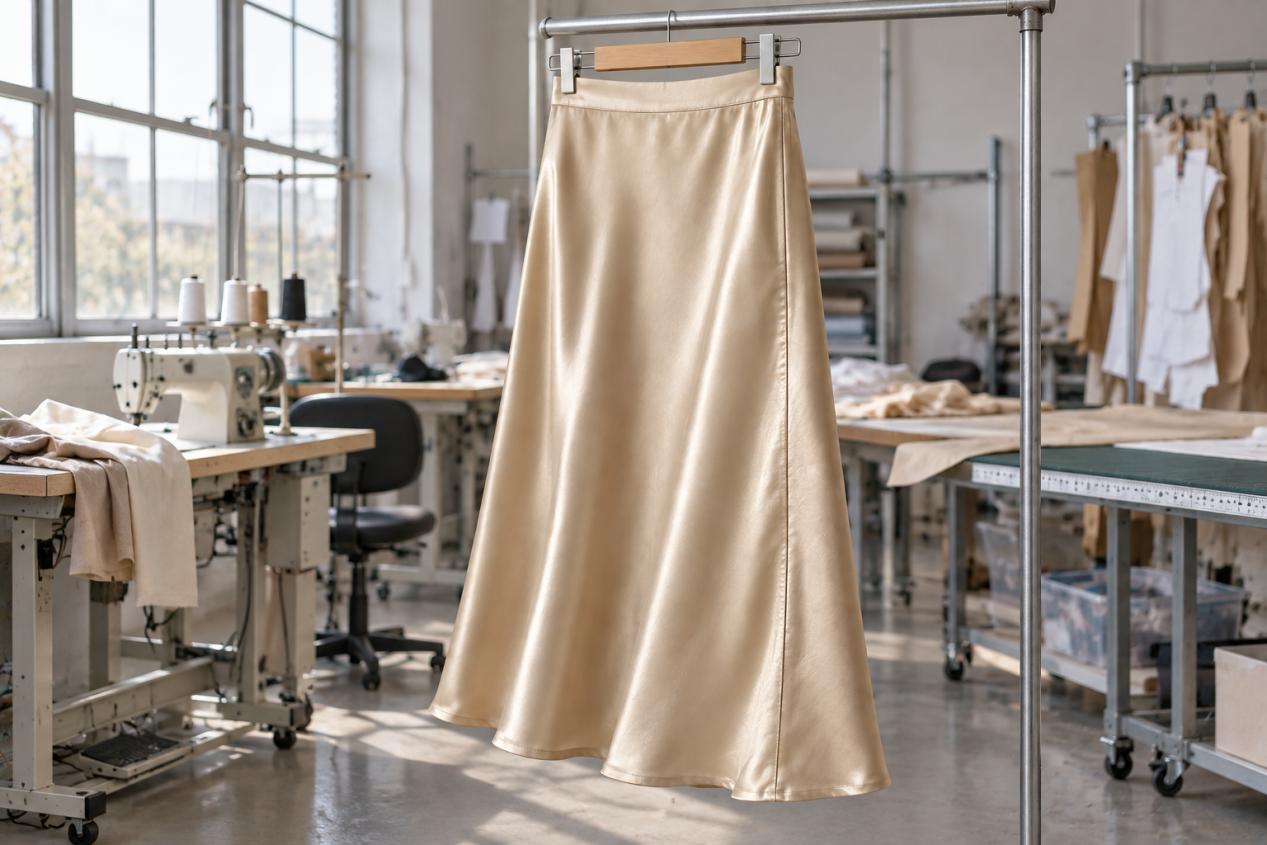
Is it the stitching or the fabric?
A gap at the side seam does not always have the same cause. Broken stitches, a fraying cut edge and yarns slipping away from an intact seam each need a different response. Looking closely at what has moved is the first step.
Satin is not one fixed fabric. Two options can have a similar sheen and drape but behave differently once they are sewn and placed under tension. The fabric construction and finish matter; so do the direction of the cut pieces, the skirt’s fit and the position of the seam.
This is why we would not judge the seam from a swatch alone. A photograph of a skirt hanging neatly is useful for reviewing its shape, but it cannot show what happens around the hip during a fitting.
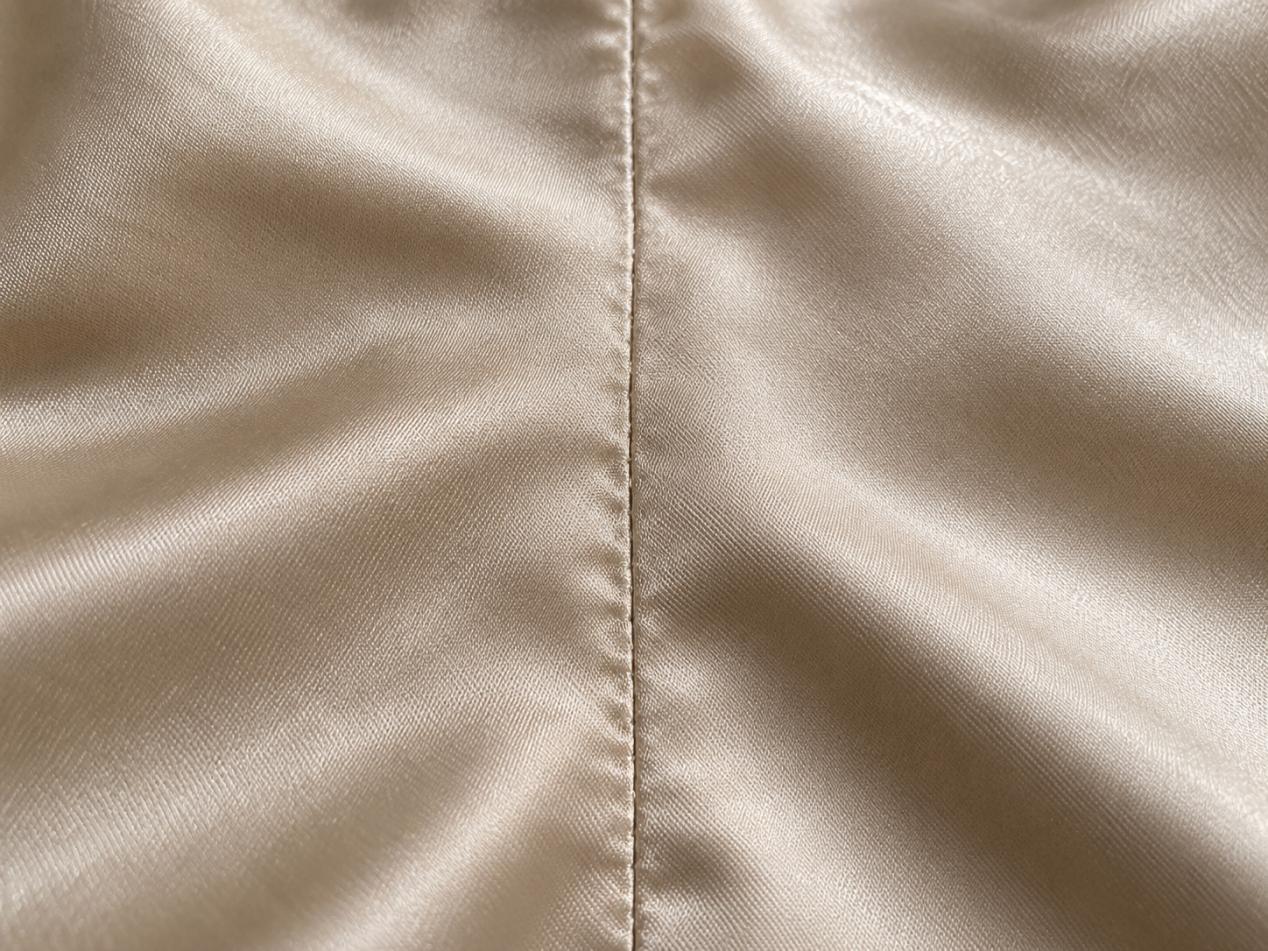
What should you see on the sample?
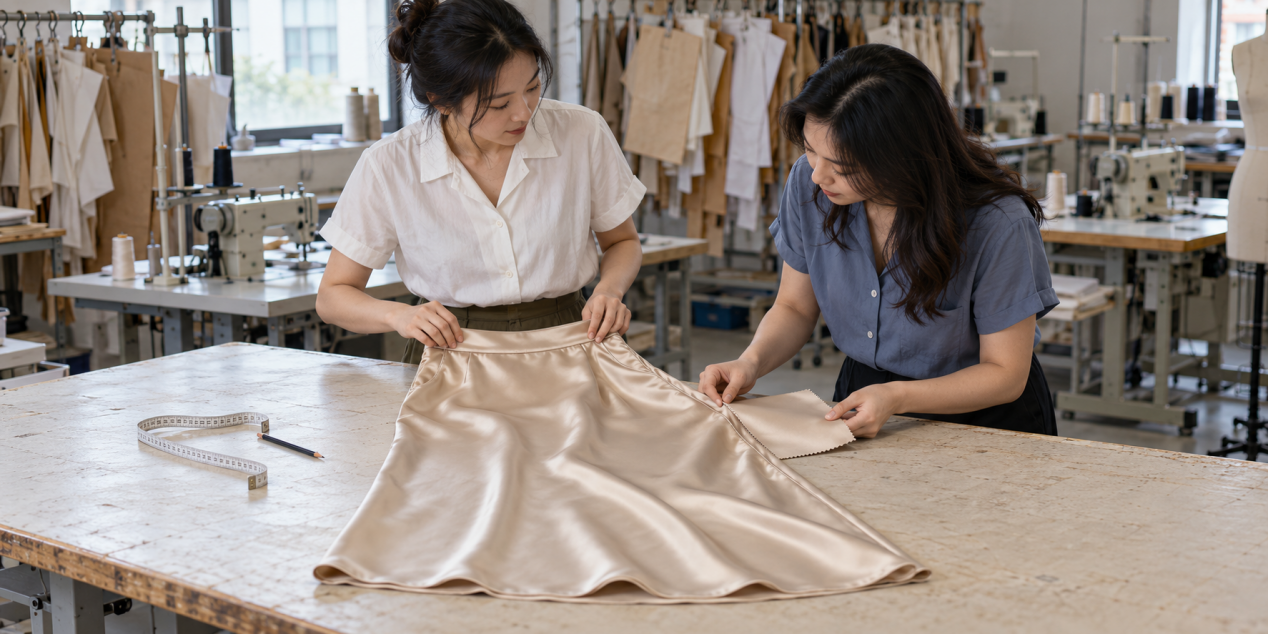
Start with the fabric intended for production wherever possible. Check the side seams while the skirt is fitted, then look at the same areas after normal movement. Is the fabric still sitting close to the stitch line? Is a gap beginning to show on one side or both?
Photograph the outside and inside of the affected area, and note where on the skirt it appears. That gives the sample maker and the customer a specific point to review after a change. A comment such as “the seam looks weak” does not tell the team enough about where the problem started.
|
Check on the sample |
What to look for |
What to confirm before approval |
| Side seams at the hip | A gap forming beside intact stitches | Whether it appears during fitting or after movement |
| Fabric at the seam | Yarns shifting, a fraying edge, or broken stitching | Which problem is actually present |
| Outside and inside views | The same area from both sides | Clear photos and the location of the issue |
| Sample fabric | Whether it matches the planned production fabric | Any substitute fabric is identified as such |
| Seam construction | Seam allowance, stitching and any local support | The method used on the approved sample |
| Revised sample | Seam behavior and visible changes to the satin | Whether both performance and appearance are acceptable |
It also matters when the sample is checked. Fresh pressing can make a seam look smooth on the table. The fitting shows how that seam behaves as part of the garment.
The satin skirt seam construction should be recorded with the sample: the actual fabric, cut direction, seam allowance, stitching method and any support used at a critical point. If a substitute fabric was used to settle the shape and fit, identify it as a fit sample. It cannot establish how the planned production satin will perform at the seam.
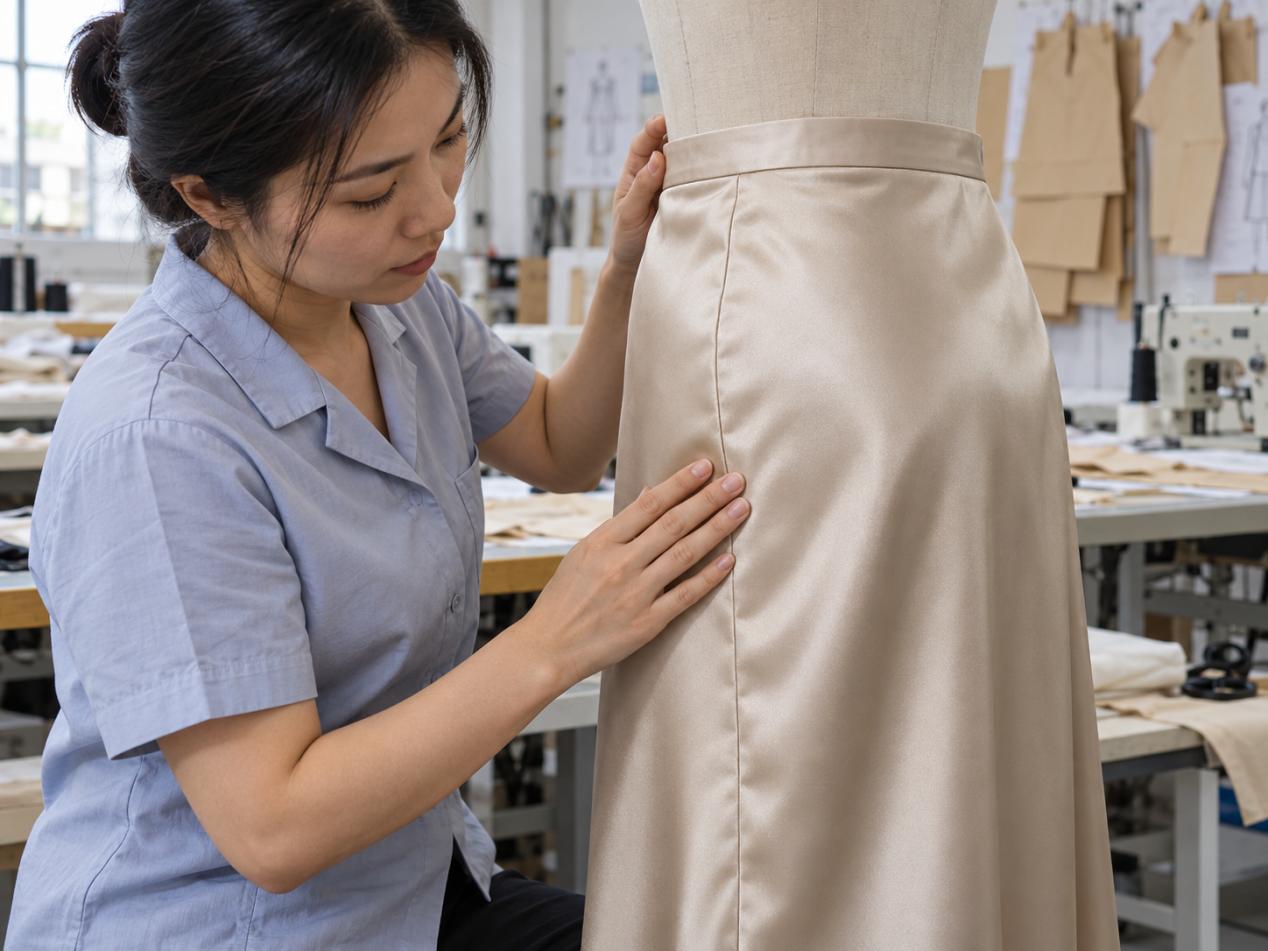
What if the yarns start to move?
The first answer should not automatically be “add more stitches.” The team needs to look at the fabric and the skirt together. There may be too little room through a high-tension area, or the chosen fabric may need a different construction to work with the design.
A seam adjustment or local support can be tried on a revised sample. It then needs another check: has the opening improved, and does the seam still look and feel right? A solution that leaves a stiff ridge visible through the satin may not be suitable for this skirt.
Changing fabric also changes the decision. Even if the replacement looks almost identical, the earlier sample does not prove that its seams will behave the same way. Review the revised skirt in the material that is actually proposed for the order.
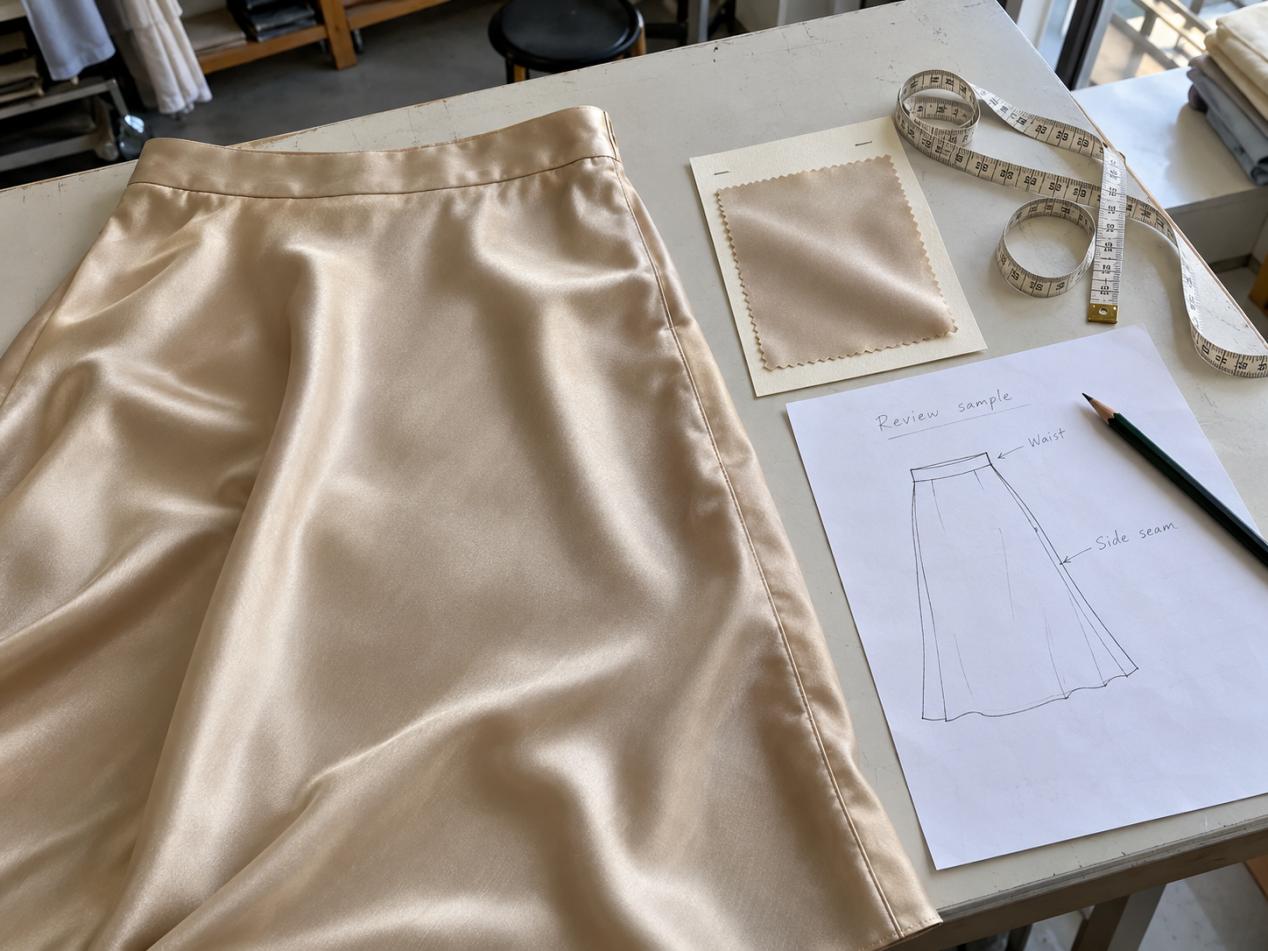
What needs approval before production?
At Meng Ruolan Apparel, sample development is used to confirm the fabric, pattern and sewing details in a version the customer can review. Once approved, the final material and construction specifications become the reference for production.
For a satin skirt, that approval should identify the fabric, the seam method, the size range and the areas that need particular attention. The customer and production team should be looking at the same approved version, rather than relying on a good-looking photograph with the construction left unspecified.
Some projects also require a measured seam-slippage limit. In that case, agree on the applicable fabric seam test, the material to be submitted and the acceptance requirement before arranging the test. A fitting and visual sample check help you make development decisions; they are not a laboratory report.
If you are developing a satin skirt, send us your design or Tech Pack, proposed fabric, size range and estimated quantity per color. We can review what the sample needs to show before you approve the construction for production.
Developing a satin skirt collection?
Send us your Tech Pack or design images, proposed fabric, size range and estimated quantity per style and color. Our team can review the seam construction and clarify what needs to be checked on the sample before bulk production.
Contact Details:
Dongguan Meng Ruolan Clothing Factory
Email:mandy@mrlapparel.com
WhatsApp +86 18825766882
Post time: Sep-30-2026


