

The issue of producing eco-friendly clothes is something that no apparel supplier can avoid now. Consumers place value on the environmental characteristics of their clothing material, and, therefore, customers are more willing to work with manufacturers who produce in an environmentally friendly way with little to no pollution. Many suppliers jumped into the sustainable fashion bandwagon process, but due to the inability to select proper materials and correct methods of implementation, they did not generate any revenue or incurred the costs and wastage as well. Today, we will explain, in simple terms, the two main aspects of the sustainable apparel manufacturing process: material selection and practice. We’ll also provide actionable guidelines on how to make more sales from the market. We’ll do this by providing two examples of high-demand materials: sustainable dresses that are manufactured from sustainable fabrics, and organic cotton dresses.
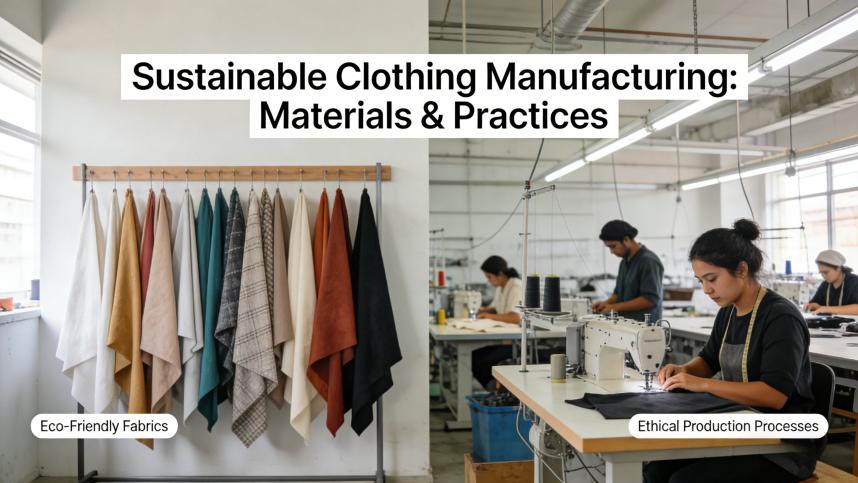
Textile is the basic foundation of a sustainable garment. selection of fabric means you are already 50 percent thru creating that most sustainable garment. Most suppliers get in the “Pseudo Green” pitfall as they are unable to figure out whether their fabric is really sustainable or is simply “pseudo eco-friendly”. There are 4 major types of general sustainable fabrics that are detailed below.
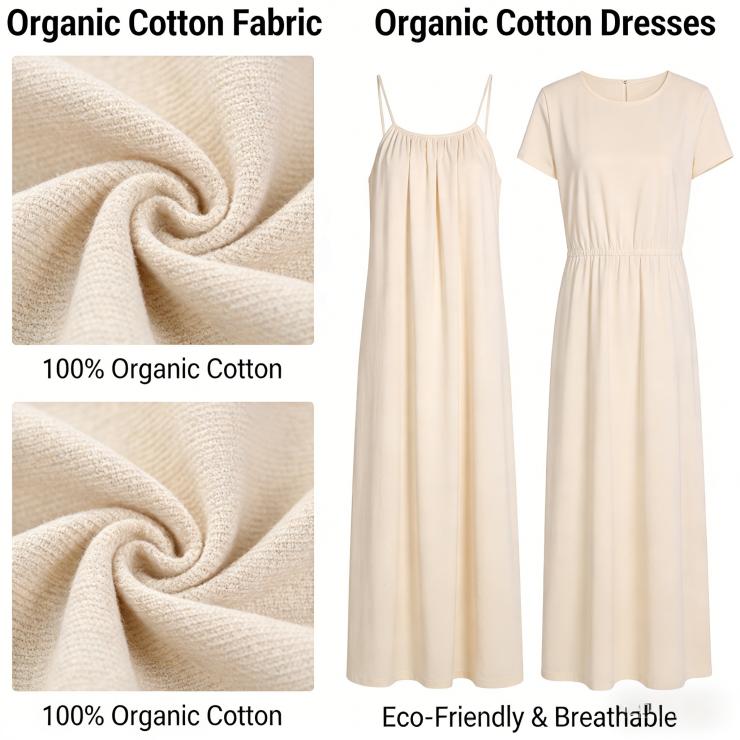
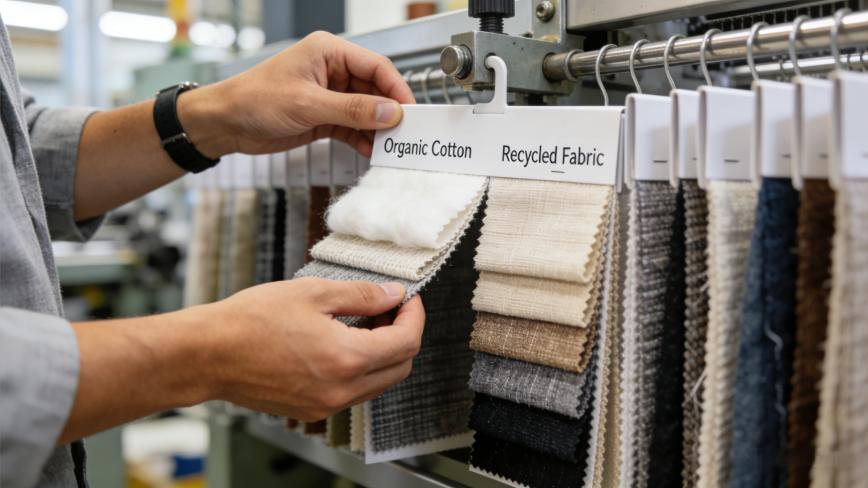
1.Organic cotton: The preferred fabric for making organic cotton dresses.
The single most commonly used sustainable fabric in the world right now is organic cotton fabric because it does not have any chemical fertilisers or pesticides applied to its growing, so does not have an impact on either land or water through that process and is therefore completely safe to humans and the earth. Organic cotton is not only softer than regular cotton but also allows to breathe more, making it an excellent choice for the production of dresses as well as t-shirts and other similar types of apparel that need to be close-fitting to the body. Most organically-grown cotton reduces water by 71% compared to traditionally grown cotton, while also reduces carbon emissions by 3 kilograms per kilogram of organically cotton produced. Sales of organic cotton dresses currently increase by 22% each year on the market. As a result, many buyers reach out from manufacturers who supply them with organic cotton dresses as an ongoing source of revenue.
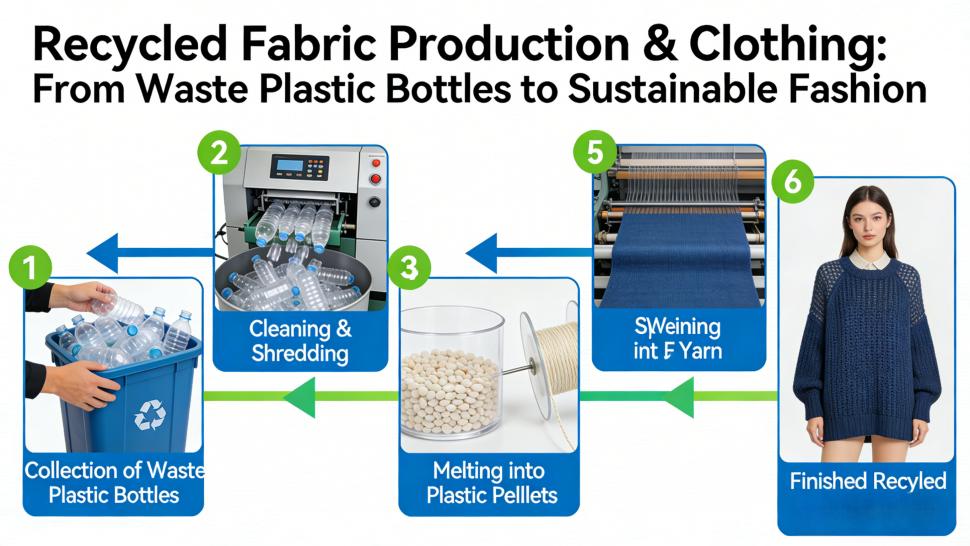
2.Recycled fabrics: The core raw material for recycled fabric garments
Textile products created from recycled materials (old apparels,plastics) are referred to as recycled fabrics. Recycled Cotton, Recycled Polyester fibre, and Recycled Viscose are just a few examples of recycled textiles. As the use of recycled fabric will reduce consumption of both nonrenewable resources (oil, cotton) and the total volume of textile waste generated by recycled fabric apparel manufacturers, recycled fabric is a major trend in the environmentally responsible manufacture of clothing.
A single product made from recycled materials may recycle two or three plastic bottles, for example, and therefore contribute something to reducing plastic pollution. In terms of “cost-effectiveness,” a lot of recycled cotton fabric/cotton recycled fabric will typically cost about fifteen percent less (less than full price) than regular cotton/virgin cotton (compared to more conventional). as a result of that lower price and the product’s cost-effectiveness, it is very well suited to be produced in large numbers (for mass production), such as many types of recycled fabric garments and sustainable/recycled fabric dresses, basically being environmentally friendly while providing a profit.
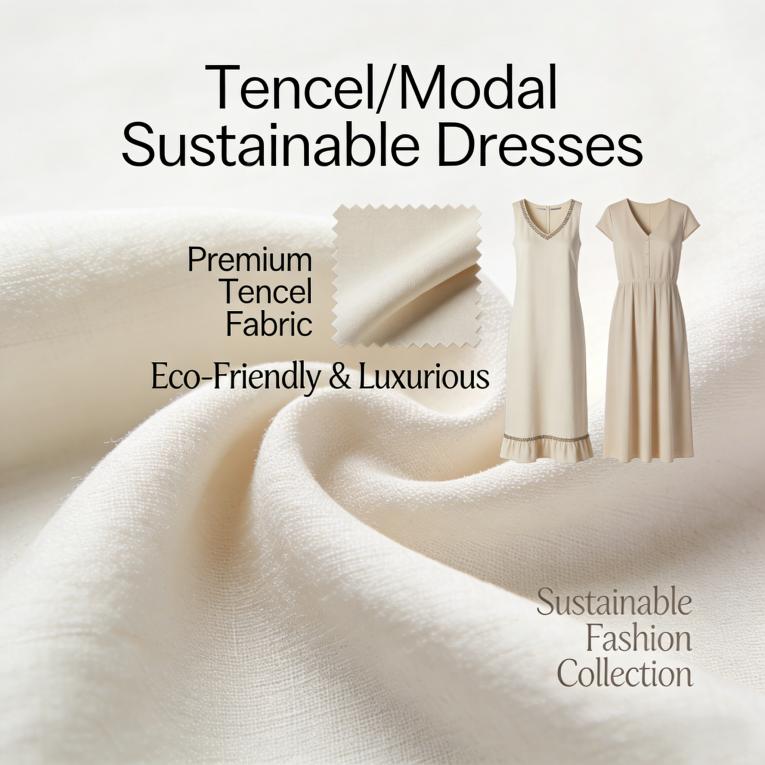
3.Tencel/Modal: The preferred choice for high-end sustainable fabrics
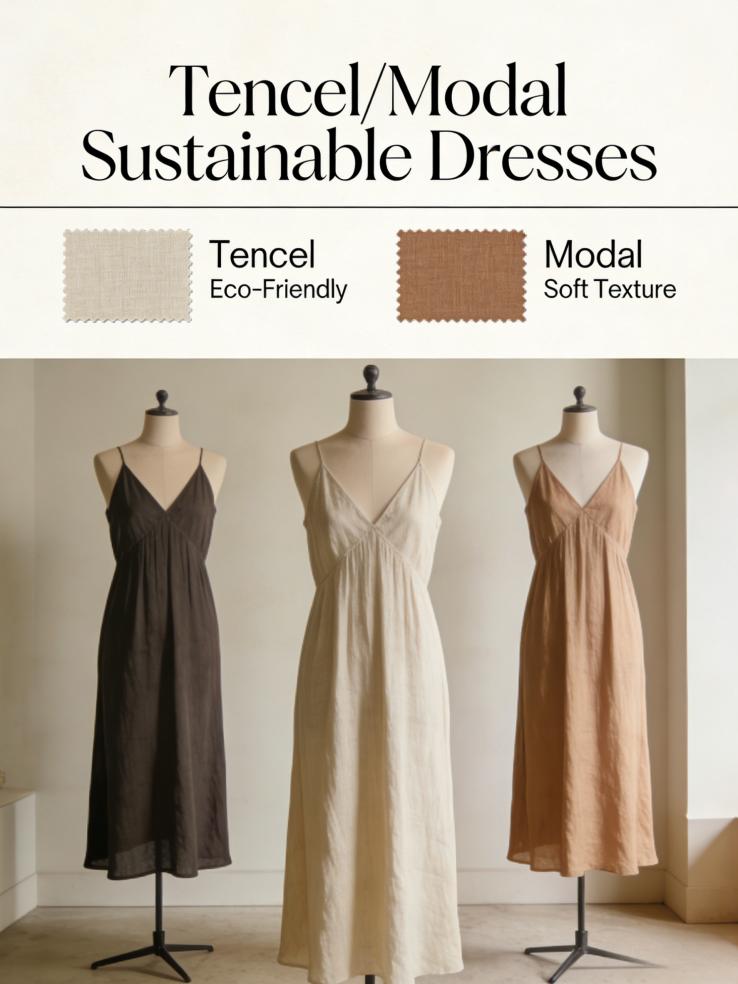
Tencel & Modal are the two natural fabrics produced from wood & recycled materials. The method of creation of both these fabrics is accomplished via a process that is ecologically friendly & biodegradable, thus, neither adds to the long-term environmental degradation/pollution. The fabric has a very Soft touch & creates a great flow; thus, very desirable for creating high-end sustainable Dresses/Shirts & other Garments, therefore, they sell for More money and provide higher profit margins.direction Therefore, both of the.
Statistics reveal that when Tencel fabrics are manufactured, almost all of the water (over 95%) is recycled. Many high end retailers are eager to purchase sustainable Tencel fabric dresses and sellers who purchase this type of fabric will become more competitive.
4.Hemp linen: a durable, sustainable fabric.
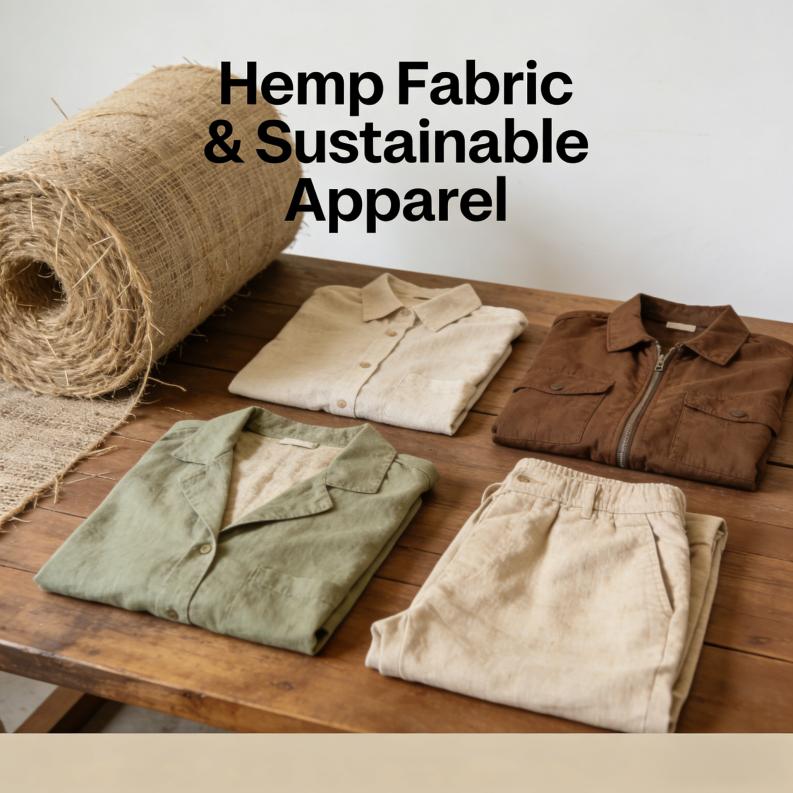
Hemp Fabric refers to the fabric made from natural herbs, do not require water or any fertilizer to produce. The drought resistant nature of the Hemp plant also allows it to survive in environments that are not so rich in nutrients, fast growing and possess high strength fiber. The garments made of hemp fabrics are durable and breathable therefore ideal for producing casual recycled fabric apparel and work clothing.
The environmental advantages and market gap of hemp fabrics present an opportunity for eco-friendly clothing manufacturers to enrich their product portfolio by offering dresses made from organic cotton and hemp fabrics.
III. Practical Comparison: How Should Suppliers Choose Among the Four Mainstream Sustainable Fabrics?
This mainly challenge to many suppliers is to know what type of products can be produced from different types of sustainable fabric and the associated cost of production. Below is a comparative tabular representation of the above information for your easy reference.
| Fabric Type | Cost Per Meter | Suitable Products | Environmental Advantage | Market Demand |
| Organic Cotton | $3.5-$6.0 | Organic Cotton Dresses, T-shirts, Underwear | No chemical pesticides, 71% less water consumption | High (growing 22% annually) |
| Recycled Fabric | $2.8-$5.0 | Recycled Fabric Clothing, Sustainable Fabric Dresses | Reduce textile waste, reuse waste materials | Very High (growing 28% annually) |
| Tencel/Modal | $6.5-$10.0 | High-end Sustainable Fabric Dresses, Shirts | Biodegradable, 95% water recycling rate | Medium-High (focus on high-end market) |
| Hemp Fabric | $4.0-$7.5 | Casual Recycled Fabric Clothing, Workwear | No water/fertilizer needed, short growth cycle | Medium (large market gap) |
IV. Implementation Guidelines: 3 Practical Suggestions for Apparel Suppliers to Manufacture Eco-Friendly Apparel
Recommendation 1: Start with popular product categories to reduce trial and error costs.
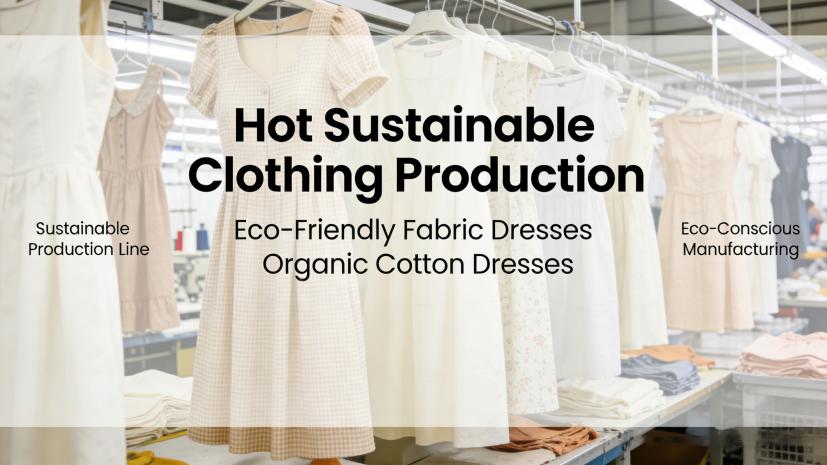
For beginning suppliers, the first step does not have to be to manufacture all eco-friendly clothing. Sustainable fabric dresses, organic cotton dresses, and recycled fabric garments are good examples of where to begin because there is high demand for these types of products in the market, and they are receiving a great deal of attention from buyers. Thus, you are able to access the market quickly.
Meng Ruolan Garment Factory’s main goal at first was production of Sustainable Fabric Dresses and Organic Cotton Dresses gained a wealth of knowledge from green manufacturing practices and later increased its product categories to include recycled fabric garments. The approach reduced costs associated with trial and error processes while building a high quality buyer base quickly so it served as an excellent reference point for other businesses.
Recommendation 2: Choose the right cooperation channels to ensure fabric quality.
Fabric is the core foundation of eco-friendly clothing manufacturing; no matter how excellent the design, it will all be in vain without high-quality fabric. Many suppliers choose to use low-quality sustainable fabrics in order to reduce costs, resulting in a large number of product returns and ultimately damaging their reputation, which is counterproductive.
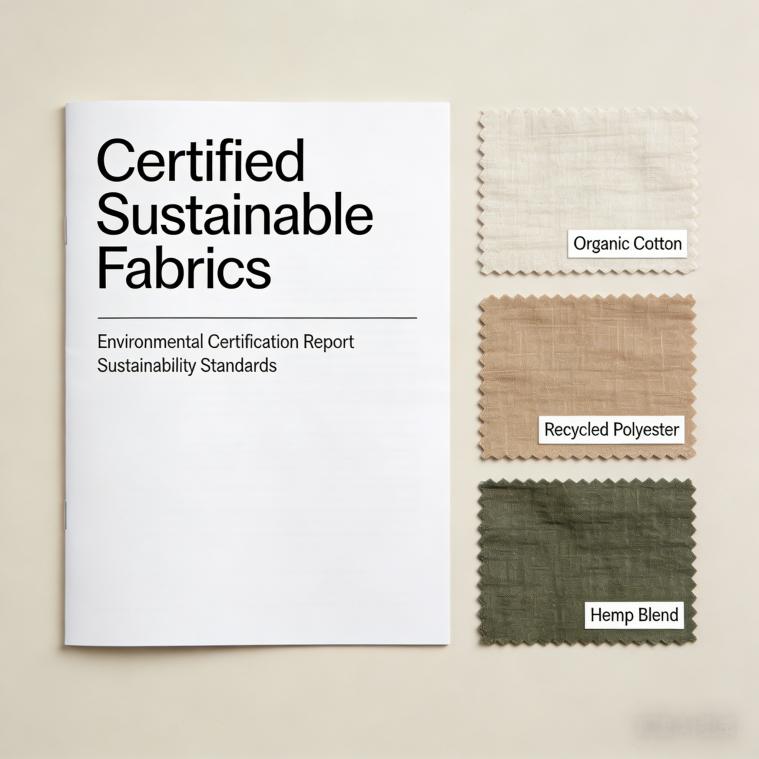
We recommend you select bona fide and reputable Fabric Suppliers and that you request the environmental certification report for the fabric. The Mengruolan Garment Factory guarantees the quality of all its sustainable fabrics (e.g., organic cotton, recycled fabrics, tencel, etc.) and offers, in addition, a bulk supply service to assist the supplier in resolving their respective pain points regarding fabric procurement.
Recommendation 3: Improve the way we make clothes. This helps create clothing that’s better for the environment.
A lot of vendors believe that a sustainable fabric will make their garments eco-friendly. That is not the case. Sustainable fabric is one component of an eco-friendly equation; processes such as dyeing, cutting and sewing can add to the pollution created by the garment’s manufacture. Truly environmentally sound garments will only be realized when the entire manufacturing process is optimized through multiple components of the overall process, not just a single (fabric) component.
For example, adopting environmentally friendly dyes decreases the amount of wastewater discharge from the production process; developing efficient cutting processes decreases the amount of waste generated during the cutting stage (cutting of materials) of garment production. (Statistics have demonstrated that optimizing the cutting process can reduce fabric waste by 10%). The Meng Ruolan Garment Factory produces not only quality sustainable fabrics and organic cotton gowns but also creates and operates with the idea of producing environmentally friendly clothing and provides their suppliers with competitive advantages.
V. Why Choose Mengruolan Garment Factory? We help you easily implement environmentally friendly garment manufacturing.
If you’re new to eco-friendly apparel production, thinking of adding sustainable fabric dress offerings, organic cotton dresses or recycled fabric garments to your product lineup, we’ve got you covered! Meng Ruolan Garment Factory makes it simple for new or existing eco friendly apparel producers to get started and will assist in resolving many of your pain points along the way.
(1) We offer a variety of sustainable fabrics, such as organic cotton, recycled fabrics, and Tencel. We can also customize sustainable fabrics to meet your needs.
(2) Eco-friendly clothing manufacturing: We adhere to the standards for producing eco-friendly clothing, and all our products have environmental certifications.
(3) High Value for the Money and Good quality: Direct from the source factory eliminates middlemen (and their fees). We support sending samples.
(4) . Our team provides one-on-one service: supporting your fabric selection and product category development, thus saving you time and effort.
VI. Contact us now to create new opportunities
Environmental and Sustainable Clothing Production is The Future of Clothing / Apparel Production and will continue to be in high demand because of consumer awareness. Have you ever thought about Meng Ruolan Garment Factory?
For many years our company has been based on environmentally sustainable manufacturing and specialises in the manufacture of eco-friendly materials. Our company provides a complete process to our customers that contains: fabric selection, manufacture of customised apparel, bulk manufacturing and certification. By utilising our services, we assist our customers in achieving sustainable manufacturing that is relatively easy to attain, and we assist them in connecting with buyers who are willing to purchase goods of high quality. If you contact us today, we will provide you with free samples of our sustainable fabrics as well as ideas for customising your products. You can also get discount on bulk purchases.
Contact Details:
Dongguan Meng Ruolan Clothing Factory
WhatsApp +86 18825766882
Post time: Apr-02-2026


